Understanding the growth mindset vs fixed mindset helps explain why some people keep improving while others feel stuck. At its core, a growth mindset believes abilities can develop through effort, practice, and learning, while a fixed mindset assumes talent and intelligence remain the same. This difference shapes how you approach challenges, feedback, and failure in daily life. When growth thinking guides decisions, learning feels possible, and progress becomes motivating. In contrast, fixed thinking often creates fear around mistakes and limits potential. By recognizing these patterns, you can better understand how mindset influences success, confidence, and long-term personal development across education, careers, and real-life situations worldwide.
Growth Mindset Meaning and Core Beliefs
The Growth mindset meaning centers on the belief that abilities expand through effort and practice. This belief system treats learning as an active learning process, not a static trait. People expect effort-based learning to refine thinking, deepen brain activity and understanding, and fuel capability building. Progress feels attainable because improvement follows action.
In daily life, Growth mindset thinking reframes obstacles as challenges as opportunities. Setbacks become data points. Curiosity replaces avoidance. This psychological mindset strengthens adaptability and resilience, supporting continuous learning and steady self-improvement.
Fixed Mindset Meaning and How It Forms
The fixed mindset meaning assumes talent and intelligence stay unchanged. This belief system often develops from labels, early praise, or fear-driven environments. When ability feels locked, effort seems pointless. The result limits intelligence development and stalls skills improvement.
Under pressure, Fixed mindset patterns show fear of failure and withdrawal. People protect their identity instead of progress. A fixed mindset in challenges avoids risk. Fixed mindset and failure feels personal, not instructive, blocking learning from mistakes and healthy feedback processing.
Difference Between Growth Mindset and Fixed Mindset
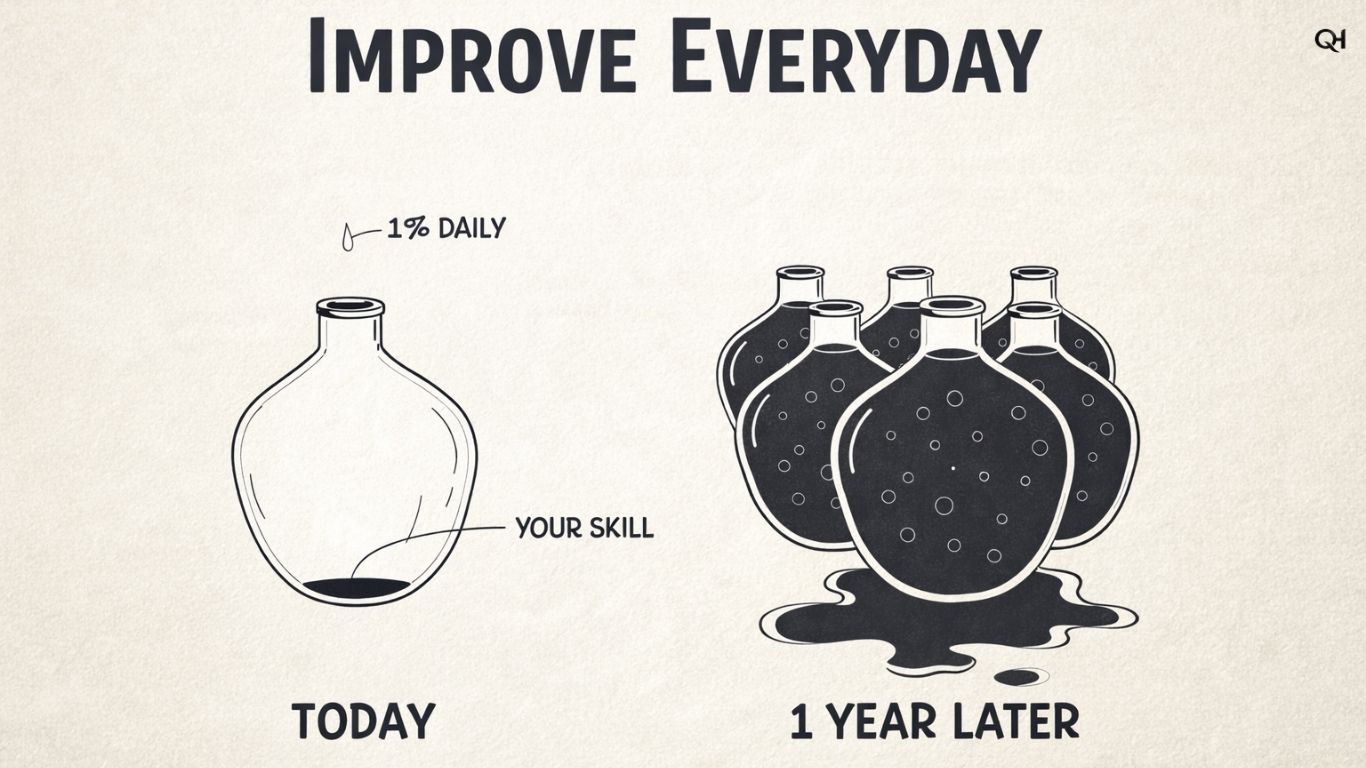
The Difference between a growth mindset and a fixed mindset appears in reactions to difficulty. A growth mindset treats difficulty as a teacher within the learning process. A fixed mindset treats difficulty as proof of limits. Outcomes diverge over time because habits compound.
Consider feedback. Growth mindset psychology welcomes critique for skills improvement. Fixed mindset resists critique to protect self-image. One path builds personal development and resilience. The other narrows options and confidence.
Carol Dweck’s Mindset Theory Explained
Carol Dweck’s mindset theory introduced clear language for how beliefs shape learning. Research showed that praising effort improves brain activity and learning more than praising talent. The insight reframed education and leadership worldwide.
This theory highlights learnable abilities and effort-based learning. When people see growth as possible, motivation rises. Feedback processing improves. The psychological mindset shifts from defense to discovery, supporting continuous learning.
Growth Mindset Characteristics in Daily Life
Growth mindset characteristics include curiosity, patience, and strategic effort. People persist through confusion and test new approaches. They expect learning from mistakes to refine judgment and expand capability building.
In practice, Growth mindset examples appear when someone practices deliberately, seeks mentors, and tracks progress. These behaviors strengthen adaptability and resilience, aligning the growth mindset and success with long-term progress.
Fixed Mindset Characteristics and Hidden Costs
Fixed mindset characteristics include avoidance, comparison, and quick discouragement. People interpret struggle as a verdict. This psychological mindset restricts experimentation and slows personal development.
Common Fixed mindset examples show up when feedback triggers defensiveness or when challenges get dodged. Over time, a fixed mindset and failure reinforce fear of failure, shrinking ambition and learning capacity.
Growth Mindset vs Fixed Mindset in Learning
A growth mindset in learning encourages active study and reflection. Students engage in the learning process, test strategies, and revise their understanding. This approach supports intelligence development through practice and feedback.
By contrast, a fixed mindset in classrooms limits participation. A fixed mindset in challenges avoids difficult tasks. The gap widens as one group compounds skills improvement while the other stalls.
Growth Mindset vs Fixed Mindset in Education
Growth mindset vs fixed mindset in education influences grading, feedback, and classroom culture. When effort earns recognition, students try harder. Feedback processing becomes constructive, improving outcomes.
Schools that embrace a growth mindset promote learnable abilities and continuous learning. This climate reduces anxiety, boosts resilience, and nurtures self-improvement across subjects.
Growth Mindset vs Fixed Mindset in Business
Growth mindset vs fixed mindset in business affects innovation and leadership. Teams that test ideas learn faster. They treat errors as insights, not indictments. Adaptability becomes a competitive advantage.
A fixed mindset culture hides mistakes. Learning slows. Growth mindset and success rise where capability building and effort-based learning guide decisions and performance reviews.
Growth Mindset vs Fixed Mindset in Real Life
Growth mindset vs fixed mindset in real life shapes relationships, health goals, and careers. When effort matters, habits stick. Progress feels earned and repeatable.
In everyday moments, choosing a growth mindset reframes stress. Challenges as opportunities strengthen resilience. Over time, personal development compounds into confidence and competence.
Comparing Growth Mindset and Fixed Mindset at a Glance
The contrast below summarizes the growth mindset vs fixed mindset across key areas without oversimplifying nuance.
| Area | Growth mindset | Fixed mindset |
|---|---|---|
| Ability | Learnable abilities expand | Ability feels static |
| Learning | Active learning process | Avoids difficulty |
| Feedback | Open feedback processing | Defensive response |
| Failure | Learning from mistakes | Fear of failure |
| Outcome | Growth mindset and success | Fixed mindset and failure |
A Short Case Study on Mindset Shift
A mid-career professional faced repeated rejections. With a growth mindset psychology, rejection became feedback. Practice improved interviews. Offers followed. Skills improvement accelerated through effort-based learning.
Earlier patterns reflected fixed mindset habits. Avoidance stalled progress. The shift unlocked adaptability and resilience, proving that intelligence development responds to strategy and effort.
A Thought to Remember
“Becoming is better than being.” This idea captures the growth mindset perfectly. The belief system values progress over labels, fueling continuous learning and meaningful self-improvement.
Final Takeaway on Growth Mindset vs Fixed Mindset
Choosing between a Growth mindset and a fixed mindset shapes results more than talent alone. One path builds capacity through effort. The other protects comfort at a cost.
When a growth mindset guides choices, capability building accelerates. With practice, brain activity and learning deepen. Progress becomes predictable, earned, and sustainable.
FAQs
What is the difference between a growth mindset and a fixed mindset?
A growth mindset believes abilities can improve through effort and learning, while a fixed mindset believes abilities are permanent. People with a growth mindset welcome challenges, but those with a fixed mindset avoid them to protect their self-image.
What are examples of growth mindset?
Seeing mistakes as lessons, practicing skills regularly, and asking for feedback to improve are common growth mindset examples. A person might fail a test and then change study methods instead of giving up.
What are signs of a growth mindset?
You enjoy learning new things, persist through difficulties, and accept constructive feedback. You believe effort leads to improvement and view challenges as opportunities to grow.
What are the 5 characteristics of a fixed mindset?
Believing intelligence is fixed, avoiding challenges, fearing failure, ignoring feedback, and feeling threatened by others’ success are key fixed mindset characteristics.
What triggers a fixed mindset?
Criticism, comparison with others, high pressure to perform, or fear of failure can trigger a fixed mindset. Past negative experiences and labeling also reinforce it.
Why is a fixed mindset bad?
A fixed mindset limits learning, reduces confidence, and blocks personal growth. It makes failure feel final, preventing improvement and long-term success.
Daily Habits That Improve Your Life Naturally
30 Inspirational Quotes to Keep You Motivated in Life

My name is Khadijah Hayat, and I am the founder and writer behind Quote Heaven. Through this platform, I share motivational thoughts, meaningful life lessons, and deep emotional quotes inspired by real-life experiences. My mission is to inspire positivity, self-growth, and inner strength through words that truly resonate.